About
About our practitioners
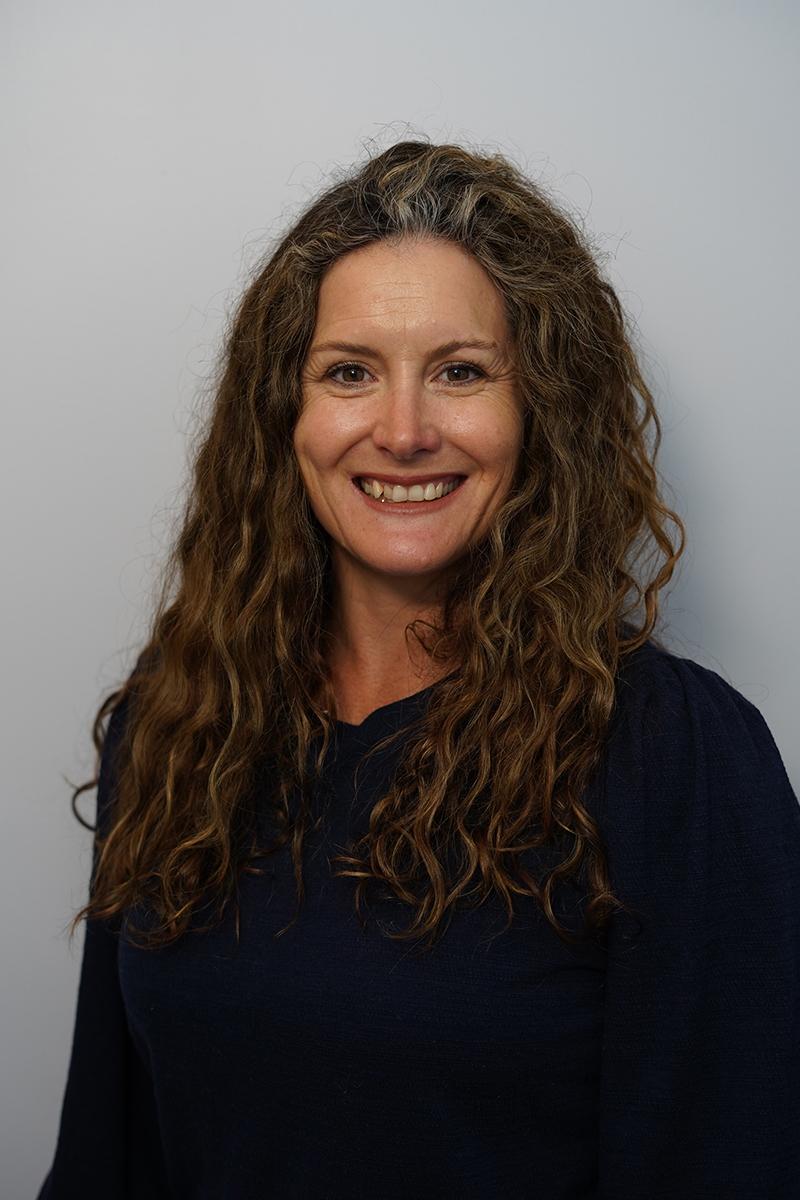
Dr Carla Bekker-Smith
BHSc – Chiropractic
MHSc – Chiropractic
IMT-C (Integrative Manual Therapy)
Carla, her husband, and five beautiful girls, immigrated from South Africa (SA) to New Zealand in 2021, and since establishing her practice in Tauranga has helped people with a range of health complaints on their wellness journey.
After completing her Bachelors and Masters degrees in Chiropractic (Health Science: Chiropractic, SA) in 2001, Carla founded her own health-care center, Balanced Health, in Hong Kong, where she spent ten years practicing and supporting other practitioners to deliver exceptional health care. Carla then moved her family and her health practice back to South Africa for ten years before settling in Tauranga.
During her time in Hong Kong, Carla studied and gained certification in Integrative Manual Therapy (IMT), a process that required twice-yearly training in Connecticut (USA). Here she established a relationship with a core group of practitioners and the IMT institute, and this relationship continues to this day.
Carla was motivated to learn about IMT because she was looking for deeper, more permanent solutions for her complex patients.
Now, with 23 years of clinical Chiropractic and IMT experience, Carla incorporates IMT’s unique set of diagnostic and treatment techniques in her everyday practice to better address the body’s needs and its ability to recover.
In 2024 she embarked on a long-standing dream – to teach the unique skills of IMT in New Zealand, and is currently training several practitioners through face-to-face weekend sessions every two months.
What is IMT?
Integrative Manual Therapy (IMT) is a unique set of diagnostic and treatment methods that assess and treat pain, dysfunction and disease.
Developed by Sharon and Tom Giammatteo, PhD, IMT-C, over the past 30 years, IMT is a different approach to health care. Practitioners use gentle hands-on techniques to assess the body and identify what might be causing pain or dysfunction, and then determine how best to approach healing and recovery. These techniques are now used around the world by highly trained
practitioners to address a range of health concerns, and can be specifically helpful to those with complex issues.
While IMT methods are predominately hands-on, practitioners might also integrate nutritional programs, such as natural supplements, diet, and medicinal herbs to develop a customised solution for an individual patient’s needs.
Potential for Self Healing
IMT treatment techniques are based on the premise that the body has the potential to self-correct or heal itself given the right environment.
Our bodies already do a good job of repairing themselves. Take for example the healing of a cut or wound on the skin, or a broken bone that heals itself once disinfected and immobilised. These are examples showing the normal process of tissue repair that occurs within the body.
Sometimes however, the body needs extra help to facilitate healing, and pain and dysfunction are an indication of too much cell or tissue dysfunction for the body to restore health on its own. Under these circumstances, intervention is required to improve the body’s self-correction mechanisms.
How does it work?
Practitioners use palpation techniques to feel how the body’s tissue is functioning, similar to chiropractic skills. Unique to IMT is the integration of special hands-on techniques to assess and address minute levels of tissue dysfunction across all systems in the body.
When combined with their deep understanding of physiology and anatomy, the practitioner’s skill in assessing or ‘mapping’ the body is what determines how they approach treatment for each system within the body.
As each tissue type in the body has unique requirements for healing, practitioners use tissue-specific techniques to promote repair. Often, multiple systems need to be addressed to facilitate recovery, as a dysfunction in one system may influence, or be influenced by, a problem in another.
Restoring structure before function
Where traditional rehabilitation generally focuses on optimising function, such as strength, balance and range of motion, IMT practitioners will first consider what underlying structures may be compromised, such as ligament, disc, bone and blood vessels.
Once the damaged structure is restored, a patient is then more likely to improve functionality. This is an example of how setting up an optimal environment gives the body a better chance of healing itself.
We can see the difference between the two approaches in a patient who has had knee surgery for a torn ligament. A functional approach would address strength, balance and movement. IMT, on the other hand, might first decrease the swelling at the joint, enhance the healing of the torn ligaments, improve blood flow into and out of the knee, and decrease the inflammation at the joint capsule, prior to implementing any functional techniques. Once structural integrity is restored, the patient is more likely to regain function of the knee and the entire leg.
Type of ailments we treat
Ultimately, IMT is the integration of techniques to assess and address all systems in the body.
Here are some of the health complaints we regularly see in our practice: chronic back pain, migraine headaches, learning disabilities, autism, diabetes, sports-related injuries, chronic fatigue, fertility and women’s health needs, cerebral palsy, spinal cord injuries, depression, anxiety, bowel disorders and urinary urgency. We’re able to work within the limitations of some of these conditions to optimise wellbeing for the patient.
In addition, many patients use IMT preventatively to maintain optimal health.
IMT offers patients the opportunity for recovery, rehabilitation and prevention as an alternative and/or complement to other health care disciplines.
What disciplines do practitioners come from?
IMT practitioners come from many health care disciplines, including Western medicine, physical therapy, chiropractic, occupational therapy, naturopathy, acupuncture, Chinese medicine, and other fields.
Most IMT-trained therapists practise IMT as a specialisation, and integrate IMT into their regular health-care practices, including in private clinics and hospitals. Practitioners and patients alike have discovered IMT in the process of searching for sustainable answers to their specific health-care needs.
IMT is a comprehensive and holistic solution that benefits all types of patients.
What to expect
Balance Health Chiropractic invites new patients to make an appointment, or please contact Carla if you would like further information before booking.
We work with both children and adults, and family and whānau are welcome to sit in on appointments.
For the duration of each session, patients lie, fully clothed, on a bed, and for new patients, treatment begins at the first session, following the practitioner’s assessment.
Every session is patient-led, which means the practitioner will focus on areas of patient concern. However, because multiple body systems are often involved, treatment is holistic, or body-wide, depending on the diagnostic findings. These findings at the start of each session direct the practitioner to the systems of the body that need to be addressed.
A painful shoulder, for example, may influence or be influenced by several different systems, such as muscles, fascia, joints, bones, nerves, circulatory vessels, lymphatic structures and/or organs. For this reason the practitioner will work on different parts of the body rather than just the location of immediate concern. The initial diagnosis also determines the order in which the involved systems are treated.
Carla has supported me and my whole family with a range of concerns, and we’ve really valued the care we’ve received from her. From the beginning, she has treated us with genuine kindness and compassion, always taking the time to listen and make us feel comfortable and at ease.
I appreciate Carla’s knowledge in her field and her thoughtful, considered approach to each session. She creates a space where you feel heard and supported, and we’ve always felt confident in her care.
We’re very grateful to have found Carla and wouldn’t hesitate to recommend her to others looking for a practitioner who is caring, professional, and dedicated in her work.